- English
- Español
- Português
- русский
- Français
- 日本語
- Deutsch
- tiếng Việt
- Italiano
- Nederlands
- ภาษาไทย
- Polski
- 한국어
- Svenska
- magyar
- Malay
- বাংলা ভাষার
- Dansk
- Suomi
- हिन्दी
- Pilipino
- Türkçe
- Gaeilge
- العربية
- Indonesia
- Norsk
- تمل
- český
- ελληνικά
- український
- Javanese
- فارسی
- தமிழ்
- తెలుగు
- नेपाली
- Burmese
- български
- ລາວ
- Latine
- Қазақша
- Euskal
- Azərbaycan
- Slovenský jazyk
- Македонски
- Lietuvos
- Eesti Keel
- Română
- Slovenski
- मराठी
- Srpski језик
What Determines the Elasticity of Latex Balloons
The elasticity of latex balloons is not merely a measure of texture; it is a core performance characteristic that directly affects inflation efficiency, breakage rates, shaping results, and how long the balloons float when filled with helium.
If you are a customer who frequently purchases large quantities of latex balloons or requires a steady supply over the long term, understanding what determines a balloon’s elasticity will help you make more accurate selections, minimize waste, and improve customer satisfaction.
Precautions for using latex balloons
Raw Materials
The elasticity of latex balloons primarily stems from the molecular structure of natural latex itself.
High-purity, high-quality natural latex has longer molecular chains and a more intact structure, resulting in rapid recovery after stretching and greater toughness. In contrast, latex with high impurity levels and low purity has short, disorganized molecular chains, making the balloons brittle, less elastic, and more prone to bursting when inflated.

Vulcanization Process
Vulcanization is the most critical step in the production of latex balloons, as it directly determines their elasticity. Insufficient vulcanization results in balloons that are too soft, lack structural support, and are prone to deformation. Over-vulcanization, on the other hand, makes the balloons too hard, reduces their elasticity, and makes them difficult to inflate.
Wall Thickness and Uniformity
The thickness and uniformity of latex balloons affect their elasticity. If the walls are too thin, the balloons may appear elastic but lack sufficient strength and are highly prone to bursting. Conversely, if the walls are too thick, the balloons will feel stiff when inflated, have poor elasticity, and be difficult to inflate.
Uneven wall thickness causes uneven stress distribution across the balloon’s surface, leading to deformation and an increased risk of bursting after inflation.
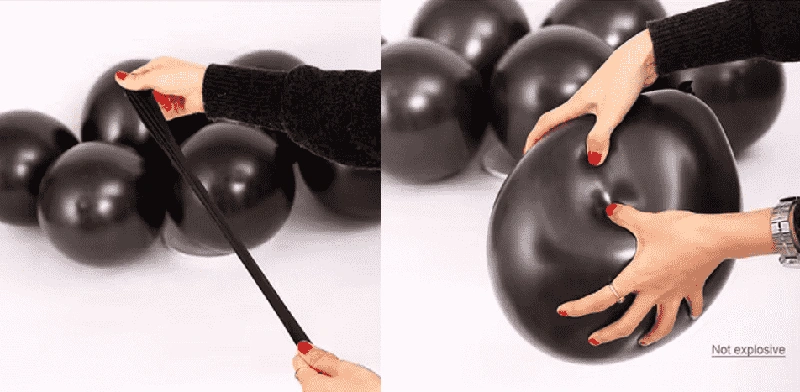
Usage and Environment
For any high-quality latex balloon, the environment and method of use can also affect its elasticity.
Temperature:
The higher the temperature, the softer the latex becomes and the better its elasticity; low temperatures cause the balloon to harden and become prone to bursting.
Oxidation and Light Exposure:
Prolonged exposure to sunlight, high temperatures, and air accelerates aging and reduces elasticity.
Over-inflation:
Exceeding the stretching limit can cause permanent deformation and loss of elasticity.

|
Product information |
|
|
Product Name |
Latex balloon |
|
Materials |
Natural latex |
|
MOQ |
1000pcs |
|
Brand |
NiuN® |
|
Mode of transportation |
OEM/ODE |
|
Certificate |
CPSIA and CE (passed EN71-1, EN71-2, EN71-3,EN71-12) |
If you are interested, please contact us. We can offer you:
1. A free sample of the latex balloon.
2. A dedicated account manager.
3. A professional logistics and transportation plan.
FAQ
Does low temperature significantly affect the elasticity of balloons?
Yes, significantly. Low temperatures cause the latex to harden and its elasticity to drop sharply, making the balloons more prone to bursting when inflated. For use in autumn and winter or outdoors, we recommend inflating them indoors first or warming the environment slightly.
Does the elasticity of balloons deteriorate over time?
Yes. Prolonged exposure to light, high temperatures, and humidity causes the latex to oxidize and age, resulting in reduced elasticity and increased brittleness. Storing them in a sealed, light-protected environment can significantly extend their lifespan.
Does a thicker balloon mean poorer elasticity?
Not necessarily. Professional thickened balloons can maintain good elasticity while enhancing strength; the key lies in the raw materials and vulcanization control—it’s not necessarily true that thicker balloons have poorer elasticity.
Does a balloon’s elasticity affect how long it floats with helium?
Yes. Balloons with good elasticity and a dense structure are more airtight, leak more slowly, and maintain a more stable float time with helium.
Why do balloons in the same package have inconsistent elasticity?
This is mostly due to uneven wall thickness and inconsistent vulcanization during the latex balloon manufacturing process.
Does repeatedly inflating and deflating latex balloons affect their elasticity?
Yes. Excessive stretching over time can cause the latex to lose its elasticity and become deformed. We recommend inflating them once and using them immediately.
When purchasing in bulk, how can we ensure consistent elasticity across the entire batch of latex balloons?
We conduct random inspections and inflation tests on every batch of balloons, strictly controlling fluctuations in raw materials and manufacturing processes. We support on-site inspection of bulk orders to ensure consistent performance and minimize waste.