- English
- Español
- Português
- русский
- Français
- 日本語
- Deutsch
- tiếng Việt
- Italiano
- Nederlands
- ภาษาไทย
- Polski
- 한국어
- Svenska
- magyar
- Malay
- বাংলা ভাষার
- Dansk
- Suomi
- हिन्दी
- Pilipino
- Türkçe
- Gaeilge
- العربية
- Indonesia
- Norsk
- تمل
- český
- ελληνικά
- український
- Javanese
- فارسی
- தமிழ்
- తెలుగు
- नेपाली
- Burmese
- български
- ລາວ
- Latine
- Қазақша
- Euskal
- Azərbaycan
- Slovenský jazyk
- Македонски
- Lietuvos
- Eesti Keel
- Română
- Slovenski
- मराठी
- Srpski језик
Why Latex Balloons Oxidize and Turn Matte
NinN® latex balloons contain natural latex, which slowly oxidizes when exposed to air and light, causing them to fade and turn white. This is a natural characteristic of the material.
We’ll start by explaining the causes of oxidation in latex balloons and the solutions available, providing you with a detailed analysis.
Latex balloons can become dull and cloudy due to oxidation.
Oxidation is a natural chemical reaction in which oxygen, heat, humidity, and UV light damage the surface of latex balloons. This reaction forms a powdery or fuzzy film on the surface, causing the balloons to lose their luster—a phenomenon that is particularly noticeable on dark-colored balloons.
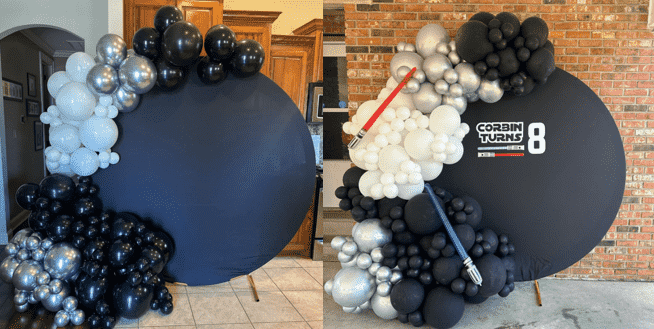
What Causes Oxidation
Natural Degradation:
Latex is a natural product that breaks down when exposed to air and light; this process begins immediately after inflation.
Environmental Factors:
High temperatures, direct sunlight, and high humidity significantly accelerate this process, especially when used outdoors.
Chemical Reactions:
Oxygen and pollutants in the air oxidize latex, causing it to change from smooth (glossy) to rough (matte) at the microscopic level.
How to Slow Down the Oxidation of Latex Balloons
Oxidation is a natural chemical process, and its effects on latex balloons can only be slowed down. The simplest method is to seal the inflated balloons in a plastic bag and store them in a cool, dry place away from light until you are ready to use them.

This can also be avoided to some extent by choosing the right balloon colors.
If balloons are inflated just a few hours before the event, this effect is most noticeable on clear latex balloons or brightly colored latex balloons in jewel tones. Balloons with a pearlescent or opaque coating are less prone to oxidation.
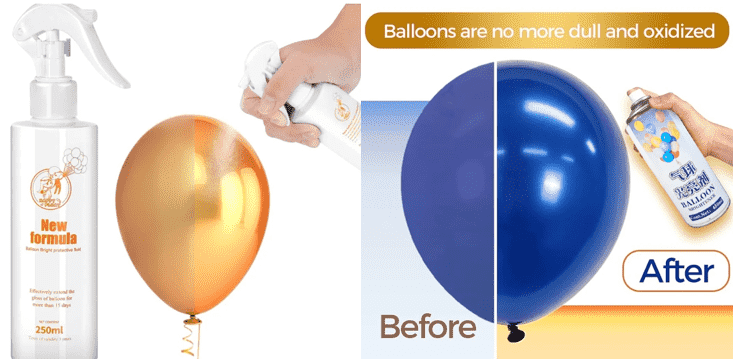
Use a balloon care spray.
You can use a balloon gloss spray to delay the dulling caused by oxidation. It forms a protective film on the balloon’s surface, preventing direct contact between the air and the balloon. There are water-based and oil-based balloon gloss sprays available; water-based sprays are eco-friendly and safe, while oil-based sprays provide a longer-lasting, high-gloss finish.
|
Balloon Types |
Oxidation rate |
Oxidation phenomena |
Ideal Use Cases |
|
Outdoor balloons |
Extremely fast |
Quickly turning white, losing luster, and developing small white spots |
Short-term events, grand openings |
|
Indoor balloons |
slower |
It gradually darkens, and oxidation occurs more quickly in direct sunlight |
Party Decorations, Interior Display Design |
|
Pre-treated balloon |
Slow |
Remains shiny; the oxide layer is enveloped by a layer of oil |
Extended Balloon Party Decorations |
Procurement services
As China’s leading balloon manufacturer and supplier, NiuN® is committed to providing high-quality balloons.
If you are interested in ordering latex balloons, please feel free to send us an inquiry via WhatsApp or email. We can offer you additional value-added services:
1. Free samples of latex balloons
2. Professional logistics and transportation services.
FAQ
What is latex balloon oxidation?
Latex balloon oxidation is a natural chemical reaction that occurs when natural latex comes into contact with oxygen in the air, ultraviolet light, and heat.
Do all latex balloons oxidize?
Yes. Any balloon made of latex will oxidize. Aluminum foil balloons generally do not oxidize. The rate of oxidation depends on the environment and how well the balloons are protected.
Will latex balloons break after oxidation?
Oxidation does not affect the structural strength of the balloon; it only affects its appearance. The balloon’s appearance will deteriorate, but it will not necessarily leak.
How should I use a gloss spray for best results?
Spray it evenly over the surface after the balloon is inflated. Gently rub it with a soft cloth or gloves until it shines. Apply only to the surface of the balloon.
Do uninflated balloons oxidize?
Yes. Latex balloons exposed to prolonged periods of high temperatures or humidity will oxidize prematurely, become lumpy, and turn brittle.
Previous:OEM vs ODM in Balloon Industry