- English
- Español
- Português
- русский
- Français
- 日本語
- Deutsch
- tiếng Việt
- Italiano
- Nederlands
- ภาษาไทย
- Polski
- 한국어
- Svenska
- magyar
- Malay
- বাংলা ভাষার
- Dansk
- Suomi
- हिन्दी
- Pilipino
- Türkçe
- Gaeilge
- العربية
- Indonesia
- Norsk
- تمل
- český
- ελληνικά
- український
- Javanese
- فارسی
- தமிழ்
- తెలుగు
- नेपाली
- Burmese
- български
- ລາວ
- Latine
- Қазақша
- Euskal
- Azərbaycan
- Slovenský jazyk
- Македонски
- Lietuvos
- Eesti Keel
- Română
- Slovenski
- मराठी
- Srpski језик
Home > Products > Custom Printed Balloon > Custom Printed Bobo Balloons > Custom Bobo Balloon Multi-Color Printing
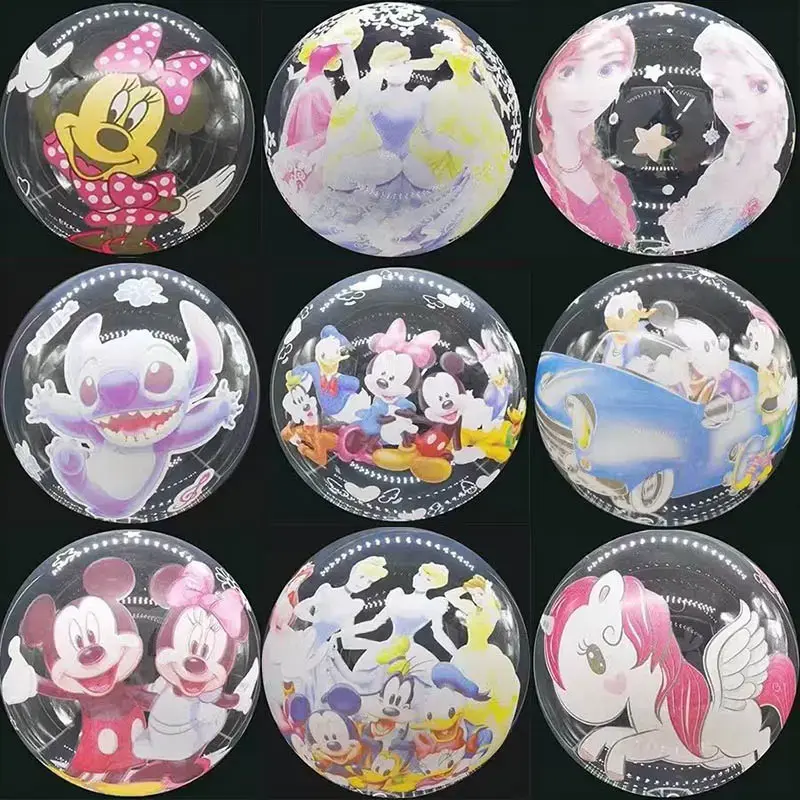
Custom Bobo Balloon Multi-Color Printing
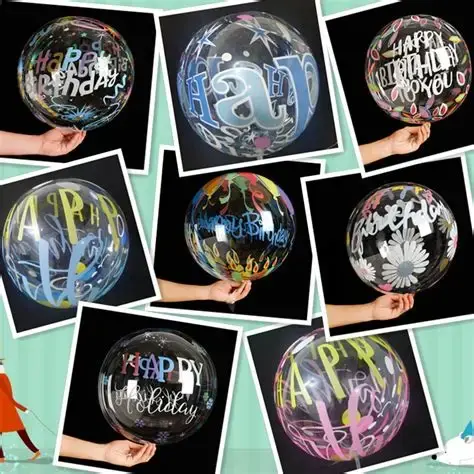
Borun Balloon Factory's guide explains multi-color Bobo balloon printing on transparent TPU, including up to 6 colors, color separation, trapping, color order, overlap, edge definition and sample approval. Custom printed Bobo balloons have a 5,000-piece MOQ per design and 5–15 working day production lead time.
Send Inquiry
Product Description
Multi-color printing on a Bobo balloon is a production problem as much as it is a design problem. A multi-color logo may look perfectly correct in a digital file, but the result on a transparent TPU balloon depends on how the individual colors are separated, sequenced, positioned and printed after the balloon is inflated.
For procurement teams, the important question is not simply whether a supplier can print six colors. The more useful question is whether the factory can turn a multi-color artwork file into a controlled physical result without losing edge definition, creating unintended gaps or producing an overlay effect that differs from the buyer's expectation.
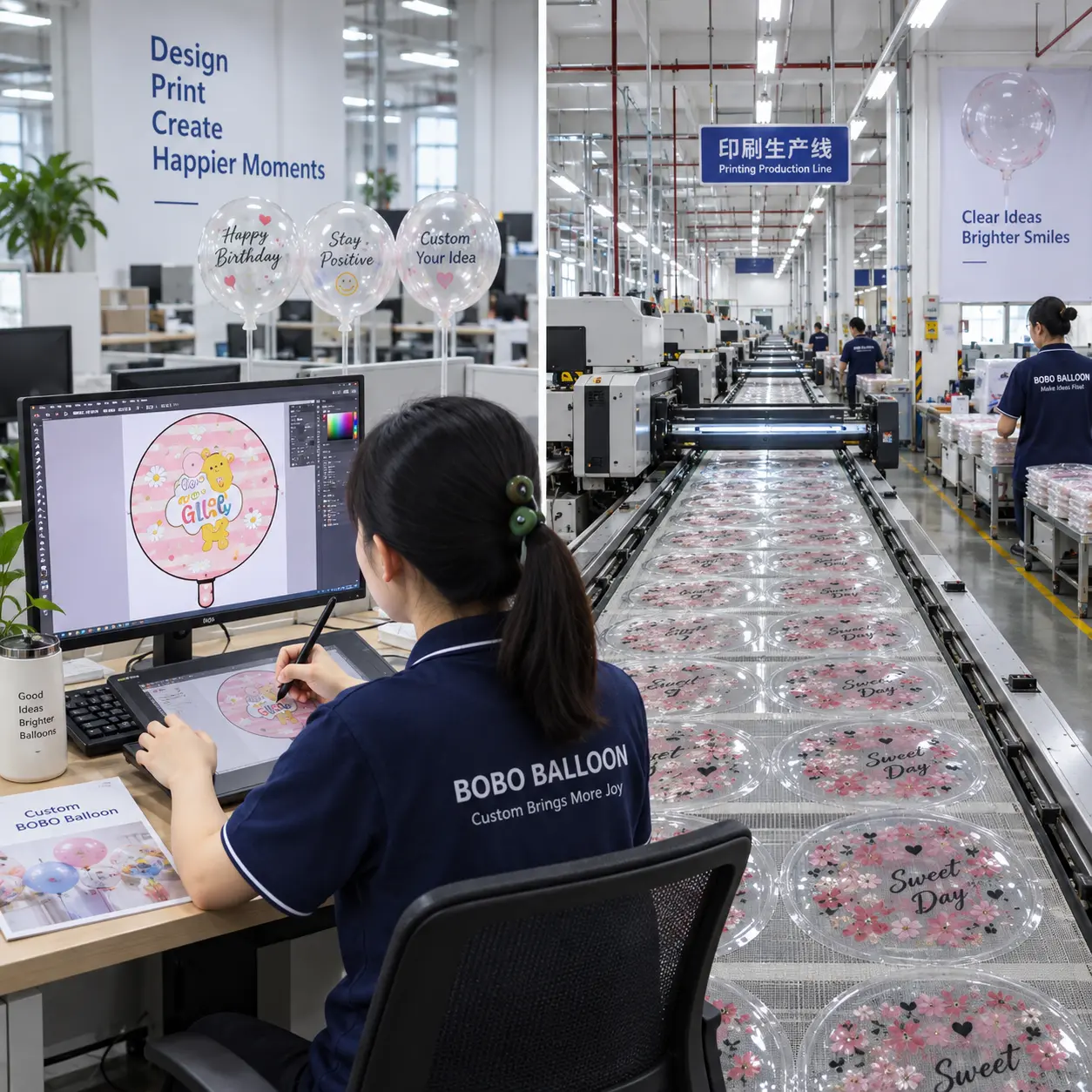
Borun Balloon Factory supports custom Bobo balloon printing with up to 6 print colors and up to 2 printed sides. This page focuses specifically on the production logic behind multi-color printing on transparent TPU rather than covering the complete Bobo product range.
The service belongs to Borun's broader custom printed balloon manufacturing range and its dedicated custom printed Bobo balloon program.
Up to 6 Print colors for suitable projects
1–2 Sides Single- or double-side printing
Premium TPU Transparent Bobo balloon material
Screen / Digital Printing methods available
5,000 pcs Standard MOQ per design
5–15 Days Standard production lead time
Sample Pre-production multi-color approval
20+ Years Balloon manufacturing experience
What should be confirmed before approving a multi-color order?
Confirm the number of colors, artwork separation, color order, adjacent-color treatment, overlap areas, printed sides and final sample result before the production quantity is released. For a 5,000-piece custom order, these decisions are much easier and less costly to change before production than afterward.
What Makes Multi-Color Bobo Balloon Printing Different?
Bobo balloons use a transparent TPU surface. Unlike an opaque sheet, the unprinted areas remain visually clear and the printed colors become graphic layers on top of that transparent surface.
This affects multi-color artwork in two important ways. First, adjacent colors must meet cleanly after the balloon is inflated. Second, overlapping colors should be treated as an intentional visual effect rather than assumed to blend like colors on a conventional graphic substrate.
Layer
Each Color Has Its Own Role
Multi-color artwork needs a clear color structure so the production team can identify the intended printed areas rather than interpreting the final appearance from a flattened image alone.
Surface
TPU Changes the Visual Result
Transparent TPU leaves unprinted areas clear, so the printed colors interact with the balloon's transparency and the visual environment behind it.
Inflation
The Finished Shape Matters
The balloon expands after printing, so color boundaries and graphic proportions should be evaluated on the inflated product rather than only on a flat artwork file.
How Many Colors Can Be Printed?
Suitable custom Bobo balloon projects can use up to 6 print colors. That maximum should be treated as a capability ceiling, not as a recommendation to add as many colors as possible.
| Artwork Structure | Typical Direction | Production Focus |
|---|---|---|
| Single-color logo | 1 color | Clean shape, readable scale and consistent placement |
| Corporate multi-color logo | 2–3 colors | Color separation, edge definition and brand-color consistency |
| Illustration or detailed branding | 4–5 colors | Layer structure, color order and detail control |
| Complex multi-color artwork | Up to 6 colors | Overall feasibility, color sequence, overlap and final sample review |
The final color count is confirmed from the actual artwork and selected printing method. A simpler color structure can sometimes produce a cleaner and more effective branded balloon than a more complicated one.
Color Separation: The First Production Step
A multi-color artwork file should make each intended print color identifiable. This is especially important when several colors touch each other or when one color sits over another.
Separated Vector Artwork
AI, EPS and outlined PDF vector files are preferred because individual graphic elements can be inspected, scaled and separated more reliably during artwork review.
Flattened Artwork
JPG or PNG files can be reviewed, but a flattened image may hide the original color structure. The production team may need additional clarification before preparing the print.
Clear Color Identification
Each intended print color should be clearly identifiable. Unnecessary hidden elements or accidental extra colors can create confusion during production preparation.
Actual Artwork, Not a Verbal Description
Sending the original artwork is more useful than describing the design as “four-color” or “full color.” The actual file shows the factory what the production team needs to reproduce.
Color Order and Trapping
Two technical decisions become particularly important when separate color areas meet: color order and trapping.
Color Sequence
Color Order
Color order refers to the sequence in which the planned color layers are printed. The sequence is reviewed according to the artwork, printing method and intended overlay result so that later color layers produce the expected visual boundary.
Buyers do not normally need to determine the production sequence themselves. The important step is to provide the complete artwork and approve the resulting sample.
Edge Control
Trapping
Trapping is a small planned overlap between adjacent color areas. Its purpose is to reduce the chance of a visible gap appearing between colors as the balloon surface changes with inflation.
Trapping requirements depend on the artwork and should be considered during production preparation rather than added casually after the design has been approved.
Why buyers should care about trapping
A tiny gap may barely show on a flat artwork preview and become much more noticeable once the balloon is inflated. Reviewing the actual sample before bulk production gives the buyer a chance to approve the real result before thousands of pieces are produced.
How Overlapping Colors Behave on Transparent TPU
Overlap is one of the areas where a Bobo balloon differs visually from conventional opaque printing. When one printed color crosses another on clear TPU, the result should be treated as a layered printed area rather than automatically expecting a newly blended color.
Adjacent Colors
Two colors placed next to each other remain visually distinct. Clean separation is particularly important for logos, lettering and graphic shapes with defined boundaries.
Overlapping Colors
One color can visually sit over another. The overlap area should be treated as part of the artwork design and checked on the actual product before approval.
Transparent Surrounding Area
Areas without print remain transparent. This clear space is part of the design and affects how strongly the printed composition stands out.
Edge Definition After Inflation
A multi-color design is only successful when the viewer can still understand its individual graphic elements after the balloon has reached its finished inflated form.
Clean Vector Edges
Clear vector artwork gives the production team a stronger starting point for separating colors and maintaining defined graphic boundaries.
Fine Graphic Details
Very small elements should be reviewed at the intended balloon size because details that look clear on a monitor may carry less visual weight on the finished product.
Color Boundary
Adjacent colors should remain visually distinct after inflation. Trapping and production preparation help control the boundary where color areas meet.
Finished Shape
The final balloon shape is part of the approval process. Multi-color artwork should be judged on the product in the form customers will actually see.
Screen Printing or Digital Printing for Multi-Color Artwork?
Both screen printing and digital printing can be used for custom Bobo balloon projects. The more useful question is which method fits the structure of the artwork.
Defined Colors
Screen Printing
Screen printing is commonly suitable for logos, text, solid graphic elements and defined spot colors. It is a practical direction when the artwork is built around clear color layers.
Complex Graphics
Digital Printing
Digital printing is generally better suited to artwork with gradients, detailed illustrations, photographic-style elements or complex color transitions that are difficult to reduce into separate spot-color layers.
The printing method should be confirmed after the actual artwork has been reviewed rather than selected from the color count alone.
For a broader comparison of the two printing approaches, see Borun's screen printing vs digital printing guide .
This page focuses specifically on the multi-color Bobo balloon production decision.
When Multi-Color Printing Becomes Visually Too Complex
More colors do not automatically create a better balloon. On a transparent product, visual complexity can increase quickly when many colors, overlapping elements and small details are combined.
Too Many Small Elements
When numerous graphic elements are packed into a small print area, the individual colors can become difficult to distinguish at the finished balloon size.
Excessive Overlap
Multiple overlapping areas can make color relationships harder to read and should be reviewed carefully before production.
Weak Color Separation
Colors with little visual distinction can merge from the viewer's perspective, especially when the balloon is displayed at a distance.
A useful commercial rule
If the customer needs to recognize the brand in a few seconds, prioritize the primary logo or message first. Secondary colors and decorative elements should support that recognition instead of competing with it.
One-Side or Two-Side Multi-Color Printing
Bobo balloons support single-side or double-side printing, with a maximum of 2 printed sides. When both sides carry multi-color artwork, the layouts should be planned as one product rather than as two unrelated graphics.
| Printing Setup | Recommended Planning | Buyer Consideration |
|---|---|---|
| Single-side multi-color | Optimize the main artwork for one viewing direction | Suitable when the balloon has a clear presentation side |
| Double-side multi-color | Plan both compositions together | Confirm color structure, position and visual balance on both sides |
The final side-printing arrangement depends on the selected Bobo balloon specification and artwork.
Artwork Requirements for Multi-Color Production
Good artwork preparation reduces unnecessary back-and-forth during quotation and production review. It also gives the buyer a clearer reference for approving the final sample.
Recommended artwork submission
- AI, EPS or outlined PDF vector artwork where available
- High-resolution PNG or JPG when vector artwork is not available
- Clearly identifiable print colors
- Final logo and graphic elements without unnecessary hidden objects
- Clear indication of one-side or two-side printing
- Preferred Bobo balloon specification
- Pantone references where brand color control is required
- Reference image or mockup when a specific visual arrangement is important
How Borun Reviews a Multi-Color Artwork
The purpose of the review is to identify production questions while changes are still manageable. Buyers should not need to guess how every technical detail will be handled before contacting the factory.
1
Receive Artwork
Review the original file, balloon specification and order requirement.
2
Check Color Layers
Review color count, separation, adjacent areas and overlap.
3
Plan Production
Confirm color order, trapping requirements and suitable printing method.
4
Review Sample
Check color structure, edge definition, overlap and finished appearance.
5
Approve
Lock the production specification before the bulk run begins.
Color Count
The number of intended print colors is checked against the submitted artwork.
Trapping
Adjacent color boundaries are reviewed where a controlled overlap is required.
Color Order
The planned print sequence is reviewed for the artwork's layering requirements.
Edge Definition
The result is checked on the actual balloon rather than judged only from the original digital file.
Sample Approval Is the Final Color Decision
A digital artwork file can show the intended design, but it cannot fully reproduce how the printed layers will look after production on transparent TPU. For that reason, sample approval is particularly useful for multi-color projects.
Buyers should use the sample to answer practical questions: Are the colors visually separated? Does the overlap look intentional? Is the main logo easy to recognize? Does the artwork still look balanced after inflation?
Approve the result you will actually sell
This is especially important for branded retail products and promotional campaigns. Once a custom order enters bulk production, changing the artwork is no longer as simple as revising a digital file.
First-Party Manufacturing Control
From the factory side, multi-color printing is managed as a sequence of connected production decisions rather than a single printing step. The artwork, color layers, printing method, sample approval and final production specification need to remain aligned.
Artwork-to-Production Review
Borun reviews the submitted artwork before the production specification is finalized so color count, separation and other multi-color requirements are identified early.
Sample-Based Confirmation
Buyers can review a digital proof or pre-production sample to confirm the actual multi-color appearance before bulk production.
Defined Production Reference
The approved artwork and confirmed production details provide the reference for the manufacturing run and subsequent inspection.
Repeat-Order Reference
Approved artwork and production specifications can be retained as a reference for repeat orders, supporting continuity across future production.
Borun Balloon Factory has more than 20 years of balloon manufacturing experience and supplies customers in more than 30 countries. Custom Bobo balloon printing is handled as part of the factory's broader custom balloon manufacturing service.
Compliance Documentation for Custom Bobo Balloon Orders
Documentation requirements depend on the destination market, intended use and product category. Buyers supplying retail channels or regulated markets should confirm their requirements during the quotation stage.
Available Testing Documentation
Borun has relevant CPC, CE, EN 71-1, EN 71-2, EN 71-3 and EN 71-12 testing documentation and can provide EU-DOC documentation for applicable products and market requirements.
Confirm Requirements Early
Marketplace, retail, customs and destination-market documentation requirements should be provided during quotation so the applicable documents can be addressed before shipment.
Send Your Multi-Color Artwork for Factory Review
Have a Bobo balloon design with two or more print colors? Send the actual artwork together with your preferred balloon specification, quantity and one- or two-side printing requirement. Borun Balloon Factory can review the color structure, trapping, overlap and printing direction before you commit to the bulk order.
MOQ, Production Lead Time and Custom Ordering
For custom multi-color Bobo balloon orders, the standard MOQ is 5,000 pieces per design. Standard production lead time is generally 5–15 working days after artwork, balloon specifications and production details are confirmed.
| Project Item | Standard Direction | Confirmed Before Production |
|---|---|---|
| MOQ | 5,000 pcs per design | Quantity and number of designs |
| Print Colors | Up to 6 colors for suitable projects | Artwork color structure and selected printing method |
| Print Sides | 1–2 sides | Final layout for each printed side |
| Printing Method | Screen or digital printing | Recommended after artwork review |
| Sample / Proof | Available for review | Color, overlap and edge result |
| Production Lead Time | 5–15 working days | Starts after artwork and specifications are confirmed |
How to Prepare a Multi-Color Bobo Balloon Inquiry
A clear inquiry helps the factory evaluate the real production requirement instead of estimating from incomplete information.
Include these details
- Multi-color artwork in AI, EPS, outlined PDF, PNG or JPG format
- Preferred Bobo balloon specification
- Total number of print colors
- Pantone references where brand color control is required
- Single-side or double-side printing requirement
- Estimated quantity and number of designs
- Any important overlap or color-layer requirements
- Retail, promotional, corporate or event application
- Packaging or private-label requirements
- Target delivery location and expected timing
Custom Bobo Balloon Multi-Color Printing FAQ
How many colors can be printed on a custom Bobo balloon?
Suitable custom Bobo balloon projects can use up to 6 print colors. The final color count depends on the artwork and selected printing method.
What is color separation in multi-color Bobo balloon printing?
Color separation means that the intended print colors are clearly identifiable in the artwork so each color area can be prepared correctly for production.
What is trapping in Bobo balloon printing?
Trapping is a controlled overlap between adjacent color areas that helps reduce visible gaps between colors when the balloon is inflated.
How does transparent TPU affect multi-color printing?
The transparent TPU surface leaves unprinted areas clear, so printed colors appear as distinct graphic layers rather than behaving exactly like colors printed on an opaque surface.
Does color order matter in multi-color printing?
Yes. Color order is reviewed according to the artwork, printing method and intended overlay result because the sequence can affect the visual relationship between printed layers.
Can multi-color artwork be printed on both sides?
Yes. Bobo balloons support single-side or double-side printing, with a maximum of 2 printed sides for suitable projects.
Which printing method is better for complex multi-color artwork?
Screen printing is commonly suited to defined spot colors, logos and text. Digital printing is generally better suited to gradients, detailed illustrations and more complex color transitions. The actual artwork should be reviewed before the method is finalized.
What artwork format is preferred?
AI, EPS and outlined PDF vector files are preferred. High-resolution JPG or PNG files can also be reviewed when vector artwork is unavailable.
Can I approve the multi-color result before bulk production?
Yes. A digital proof or pre-production sample can be reviewed so buyers can confirm color structure, overlap, edge definition and the overall finished appearance.
What is the MOQ for custom multi-color Bobo balloons?
The standard MOQ is 5,000 pieces per design for custom printed Bobo balloon orders.
How long does production take?
Standard production lead time is 5–15 working days after artwork, balloon specifications and production details are confirmed.
Multi-color Bobo balloon printing works best when the artwork is treated as a production specification rather than only a graphic file. Color separation, trapping, color order, overlap, inflation and sample approval should be confirmed before the 5,000-piece custom order enters production. Borun Balloon Factory provides this review as part of its custom Bobo balloon manufacturing service.
Related Category
Custom Printed Latex Balloons
Custom Printed Bobo Balloons
Custom Printed Foil Balloons
Custom Promotional Balloons
Custom Printed Balloons Private Label
Send Inquiry
Please Feel free to give your inquiry in the form below. We will reply you in 24 hours.